Record Keeping for the Self-Employed: What to Keep and Why
If you are a sole trader or a partner in a business partnership, you must keep records of your business income and expenses so you can complete your Self Assessment tax return. This plain-English guide explains the terms you will come across, how your taxable profit is worked out, what to record and how to treat costs you use partly for private purposes. Based on HMRC's webinar "Record keeping for the self-employed" (recording viewed October 2026), with links to the official guidance at the end.
The 5 key points
1. Record every pound in and out
Keep a record of all money coming into the business (income) and going out of it (expenses), backed up by receipts, invoices and bank statements. Money you take out for yourself (drawings) is not an allowable business expense.
2. You are taxed on the tax year
Basis periods no longer exist after the 2023 to 2024 tax year. You are taxed on the profits arising in the tax year itself (6 April to 5 April). If your accounting date is not 5 April, you may need to apportion your accounts to find the profit for the tax year.
3. Cash basis is now the default
Cash basis records income when it is received and expenses when they are paid. Traditional accounting records income when it is earned and expenses when they are due. From the 2024 to 2025 tax year cash basis is the default, and you must opt out on your return to use traditional accounting.
4. Profit is turnover less allowable expenses
Your taxable profit is your turnover minus your allowable expenses. Only claim the business part of costs you also use privately, such as a car or your home. If your turnover is below £90,000, you do not need to give HMRC a breakdown of your expenses.
5. Keep records up to date, safe and for long enough
Set time aside each week to update your records, keep original P45s, P60s and certificates of tax deduction, and back up digital records regularly. Keep business records for at least 5 years after the 31 January submission deadline for the tax year.
Income, expenses and taxable profit
Business income is the money coming into your business. Business expenses are the money going out to run it. Your records need to show both, so you and HMRC can see where the money came from and what it was spent on.
Working out your taxable profit
Turnover is the total income your business takes in before any costs. Take away your allowable expenses and what is left is the profit you pay tax on.
HMRC's two worked examples for the 2023 to 2024 tax year:
Costs of parts £4,500
Car, van and travel £1,200
Telephone £600
Total costs £6,300
Net profit £43,700
Costs of parts £7,500
Car, van and travel £2,800
Staff wages £20,000
Premises rent £10,000
Telephone £600
Total costs £40,900
Net profit £59,100
- If your turnover is below the VAT registration threshold (£90,000), you can give HMRC your total expenses without a breakdown. You still need the records behind the figure.
- Above £90,000 you must register for VAT and give a breakdown of your expenses on your return.
The tax year basis
Your accounting period is the period your business accounts cover. Basis period rules used to decide which accounting period was taxed in each tax year. They were replaced by a tax year basis and no longer exist after the 2023 to 2024 tax year: businesses are now taxed on the profits arising in the tax year itself.
HMRC's example: Dana starts trading on 1 October 2023 and makes her accounts up to 5 April.
- Because Dana's accounts end on 5 April, each accounting period falls inside one tax year and no adjustment is needed.
- If your accounting date is not 5 April (or 31 March, which HMRC treats as equivalent), it may be necessary to apportion the accounts falling in the tax year to find the profit arising in that year. HMRC's Business Income Manual explains how from BIM81200 onwards.
Traditional accounting or cash basis?
The two methods record the same transactions at different times, which can move income or costs into a different tax year. HMRC used the same two transactions to show the difference: Dana invoices a customer £100 on 28 March 2024 and is paid on 12 April 2024, and a supplier invoices her £50 on 15 March 2024, which she pays on 15 April 2024.
Income when earned, expenses when due.
The £100 is income on the invoice date, 28 March 2024: the 2023 to 2024 tax year.
The £50 is an expense on the invoice date, 15 March 2024: the 2023 to 2024 tax year.
Income when received, expenses when paid.
The £100 is income on the date it is received, 12 April 2024: the 2024 to 2025 tax year.
The £50 is an expense on the date it is paid, 15 April 2024: the 2024 to 2025 tax year.
- From the 2024 to 2025 tax year, cash basis is the default for sole traders and partners. If you want to use traditional accounting, or cannot use cash basis, tick the opt-out box on your Self Assessment return.
- Cash basis is usually simpler. Traditional accounting can give a truer picture where you carry stock or wait a long time to be paid.
Setting up a record-keeping system
A good system tells you where your money has come from and what it has been spent on. HMRC listed the advantages as efficiency, easier finance, budgeting, managing cash flow, claiming tax credits and completing your tax return accurately.
Information to record
Record each cost under a heading such as rent, wages, phone, travel, heat and light, or other. Keep money you take out for yourself in a separate drawings column: drawings are not an allowable business expense.
Supporting documents
- Bank statements
- Receipts and invoices
- Internet transaction details
- Credit and debit card statements
- Cheque book stubs
- Mileage records
Originals and digital records
- Keep the originals of your P45, P60 and certificates of tax deduction.
- Digital records should capture the front and back of each document and be in a format you can send to HMRC if asked.
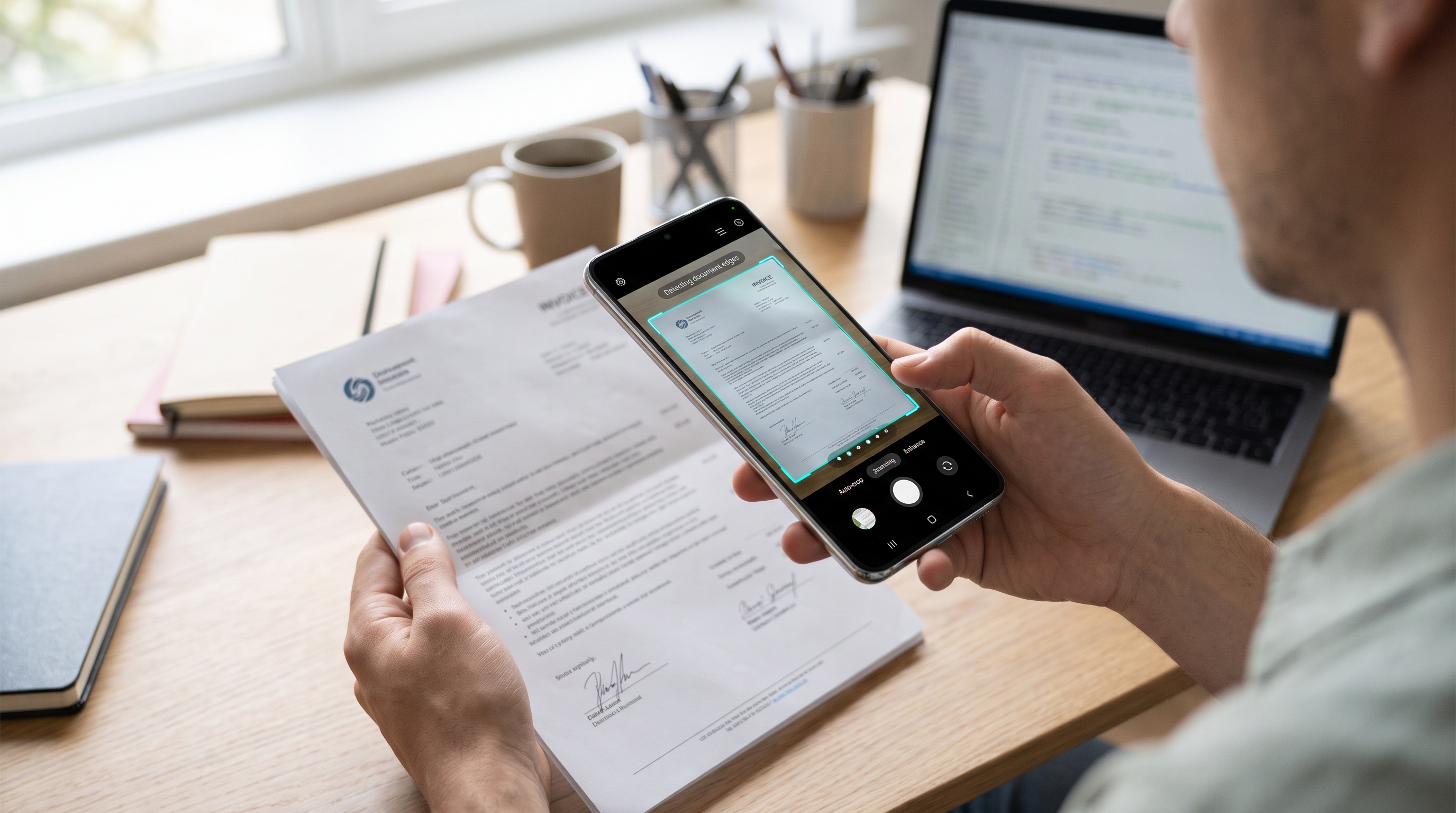
- Record-keeping apps let you photograph and categorise receipts and invoices, record cash and non-cash transactions, and add money paid or received when no invoice was issued.
If you are VAT registered
You must register for VAT once your taxable turnover goes above £90,000 in a rolling 12-month period. Once registered, your records also need to show the VAT you charge and the VAT you pay.
- Keep a copy of every VAT invoice you issue, and every VAT invoice you receive.
- A VAT invoice shows the net amount, the VAT rate and VAT for each line, and the gross total.
- VAT-registered businesses keep their VAT records digitally and file returns through Making Tax Digital compatible software.
Business and private use
Some costs are partly for the business and partly private. Claim only the business part. This most often comes up with vehicles, working from home and living on your business premises.
Work out the business share of what you really spend, for example the fuel, insurance and repairs on a van you also use privately. Keep a mileage log to support the split.
Use HMRC's flat rates instead of working out actual costs, for vehicle mileage, working from home, or the private use of business premises you live in.
Making Tax Digital for Income Tax
Since the webinar's examples were prepared, the rules on how you keep records have moved on. Making Tax Digital for Income Tax started on 6 April 2026. If it applies to you, you must keep your business records digitally in compatible software and send HMRC quarterly updates, as well as a final declaration after the tax year.
Even if you are below the threshold now, setting up digital records today makes the move much easier when your turn comes.
Common questions
How long do I need to keep my business records?
At least 5 years after the 31 January submission deadline for the tax year. For example, records for 2024 to 2025 (return due 31 January 2026) must be kept until at least 31 January 2031. Keep them longer if you sent your return late or HMRC has started a check. In the live poll, 74% of attendees answered 6 years: close, but the rule runs from the filing deadline, not the end of the tax year.
What is the VAT registration threshold?
£90,000 of taxable turnover in any rolling 12-month period. Only 31% of attendees chose the right answer in the live poll, with 34% picking the old £85,000 figure.
Can I take money out of the business and claim it as an expense?
No. Money you take for your own use is drawings. Record it so your books balance, but it does not reduce your taxable profit.
How can I estimate my tax bill?
Use HMRC's Estimate your Self Assessment tax bill calculator. In the webinar's example, an estimated monthly profit of £2,175 in 2024 to 2025 gave a yearly bill of £3,517.80: £2,706.00 Income Tax and £811.80 Class 4 National Insurance.
Official guidance
- Business records if you're self-employed
- How long to keep your records
- Cash basis
- Business Income Manual BIM81200: tax year basis and transitional rules
- Simplified expenses if you're self-employed
- Making Tax Digital for Income Tax
- Register for VAT
- Estimate your Self Assessment tax bill
Need help setting up a record-keeping system, choosing between cash basis and traditional accounting, or getting ready for Making Tax Digital? We can set you up in Xero, keep your books up to date and prepare your Self Assessment return.
Talk to us about your recordsThis guide is general information based on HMRC's published guidance and webinar, and is not advice for your specific circumstances. Rules change, so check the official guidance or speak to us before acting.